A Morning with Swee Waxbills: An Unexpected Delight on the Garden Route
It was a crisp late morning on the Garden Route of South Africa, the kind where the sun’s warmth is just enough to remind you that winter is on its way. I was driving slowly along a gravel road, my eyes scanning the sky for raptors fishing over the nearby lakes. But as any seasoned birdwatcher knows, the best moments often come when you least expect them.
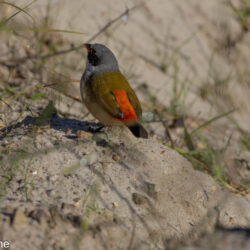
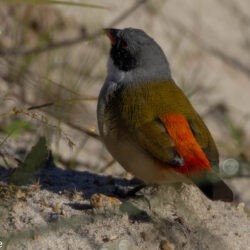
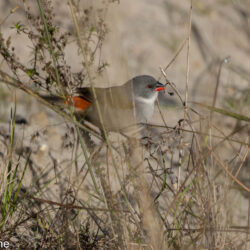
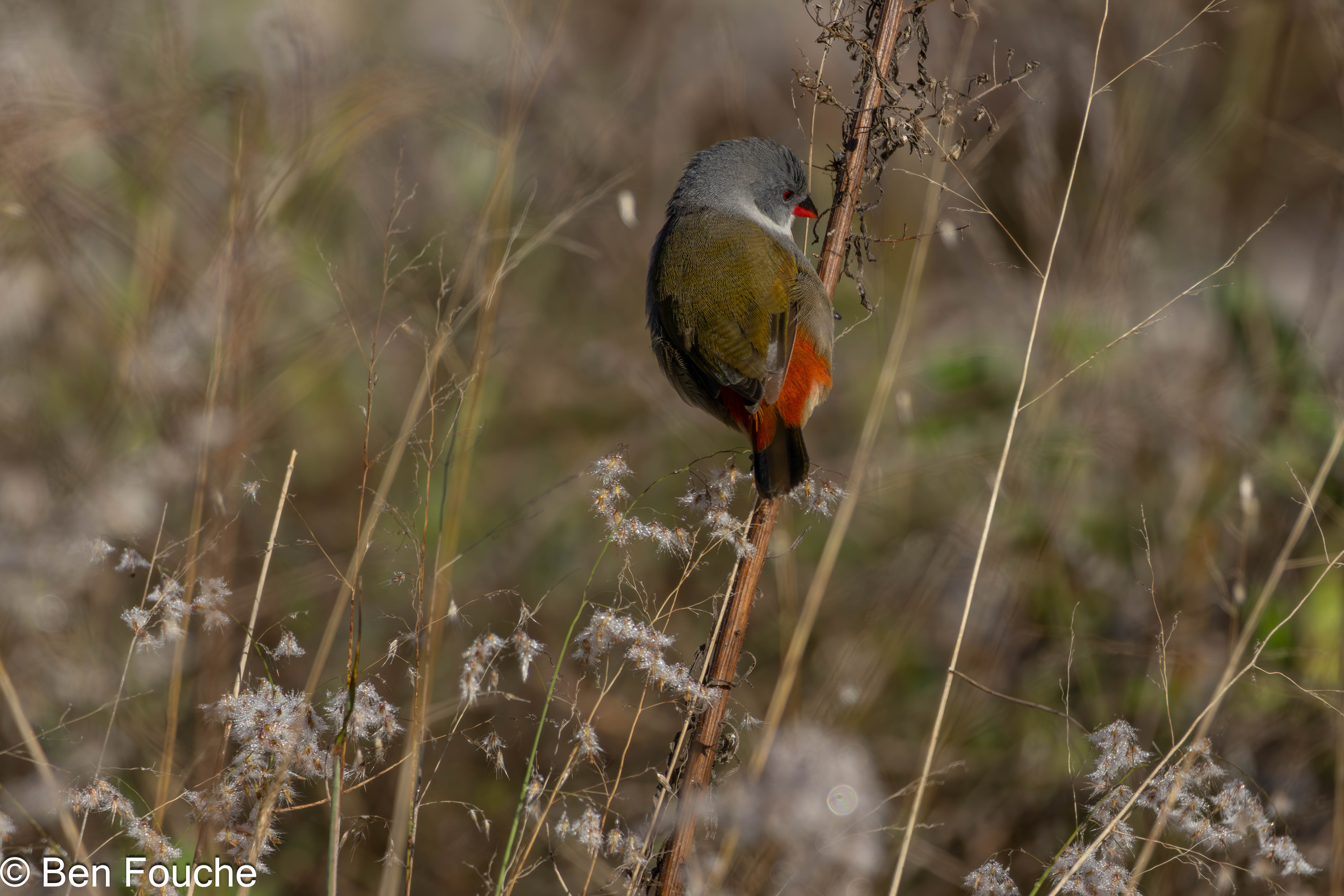
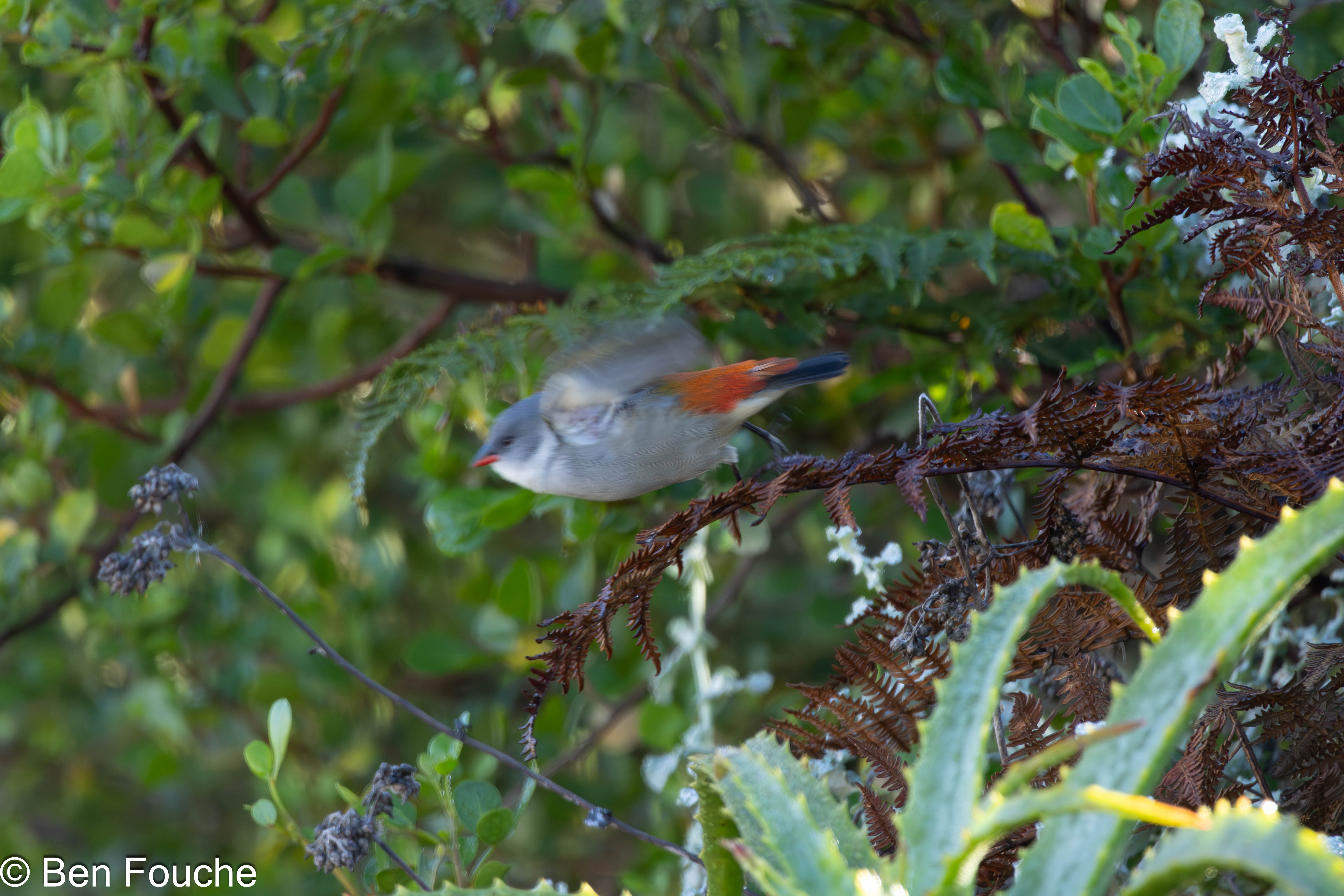
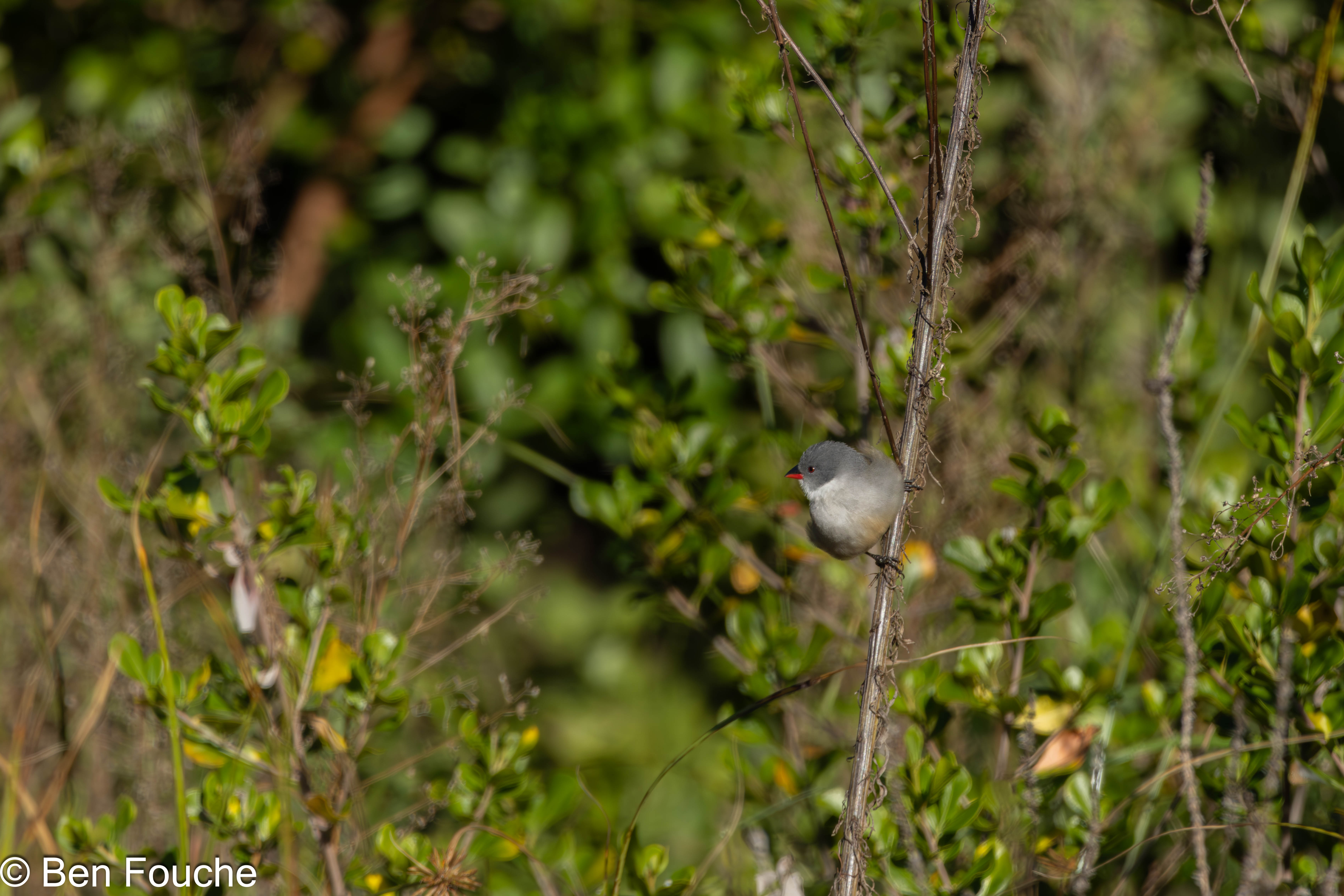
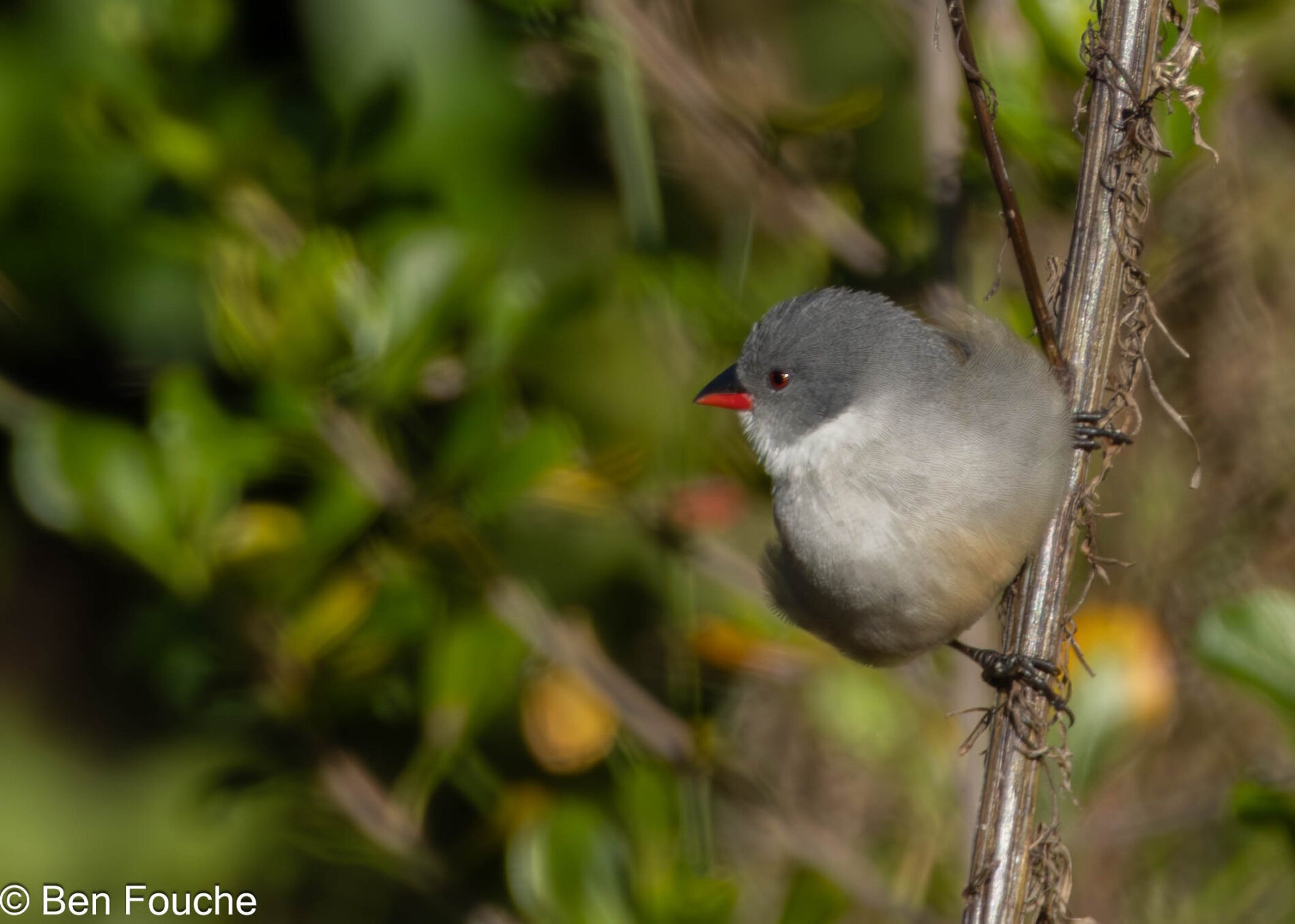
Out of nowhere, a flash of colour caught my attention. Small birds were flitting about on the roadside, their feathers a stunning blend of grey, red, yellow, and olive. I pulled over, grabbed my binoculars, and stepped out quietly. There they were: Swee Waxbills, one of the most enchanting little finches in Southern Africa.
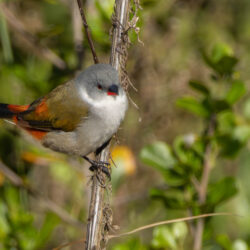
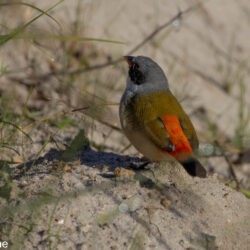
I couldn’t help but smile as I watched them. The males were particularly striking, with their grey heads and breasts, pale yellow bellies, and that distinctive dark red lower back and rump. It’s no wonder they’re affectionately called “Rooiassie” in Afrikaans, which translates to “red ass.” The females, with their grey faces, and the duller juveniles were equally charming, each adding to the lively scene.
These birds are known for their tame nature, and true to form, they didn’t seem bothered by my presence. As long as I moved slowly, they continued their activities, hopping on the grass and pecking at small seeds on the road. Their soft “swee, swee” calls filled the air, a gentle soundtrack to this delightful encounter.
I recalled that Swee Waxbills typically prefer upland dry shrublands and open forests, but they can also be found in gardens, showcasing their adaptability. Here, along the roadside, they were in their element, foraging for grass and millet seeds. It’s fascinating to think that during breeding season, they supplement their diet with insects to provide the necessary protein for their growing chicks.
Speaking of breeding, these birds are quite industrious. They build ball-shaped nests out of grass stems, often positioning them low in dense vegetation for protection. Both parents share the responsibilities of incubating the 4 to 7 eggs and feeding the chicks once they hatch. It’s a beautiful example of cooperative parenting in the avian world.
As I stood there, completely absorbed in their world, time seemed to stand still. Before I knew it, an hour had slipped away, and I hadn’t given a second thought to the raptors I was originally seeking. But honestly, I didn’t mind one bit. This unexpected meeting with the Swee Waxbills was a vivid reminder of why the Garden Route is a paradise for birdwatchers.
For those who love birding, the Garden Route offers an unparalleled experience. From the thrill of spotting majestic raptors to the sheer joy of encountering small, colourful finches like the Swee Waxbills, there’s always something new to discover. Joining a birding trip here isn’t just about seeing birds; it’s about immersing yourself in their world, learning about their behaviours, habitats, and the intricate ways they adapt to their surroundings.
If you’re looking for an adventure that combines the beauty of nature with the excitement of discovery, consider joining us on a birding trip along the Garden Route. You’ll not only witness the incredible diversity of birdlife but also create memories that will last a lifetime.
As I finally resumed my drive, I felt a deep sense of gratitude for the distraction. It was a perfect illustration of how birdwatching can surprise and delight you, turning every outing into an unforgettable adventure.