After the Storm: Birding the Southern Cape in the Wake of Floods
After a long drought in the Southern Cape, the forecast of 100 mm of rain for 6 May 2026 seemed almost absurd. Like many others, I struggled to believe that such a downpour was really on its way. But when I visited Rondevlei on the morning of the 6th, it quickly became clear that this was no ordinary weather event.
At first, there was only a sense of change in the air. Then the wind began to rise. Before long, the lake was transformed, waves rolled across the water like the sea, and birds fought to keep their balance on the perches. The rain came in hard, and it was soon clear that the conditions were too severe to stay. I closed the bird hide and left, knowing that the storm was only beginning.
The rain continued throughout the night. By morning, I had measured at least 100 mm at home, and even that was only an estimate because the rain gauge had overflowed. Over the next ten days, chaos followed. Electricity failed. Later, water supplies were disrupted too. Reports from across a vast stretch of the region, from the West Coast to the East Coast, painted a grim picture. Roads were washed out, bridges damaged or destroyed, and communities everywhere felt the force of nature’s onslaught.
Only after more than a week of extreme conditions did I begin to explore the usual birding routes and sites again. What I found was a landscape transformed.
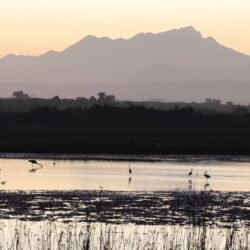
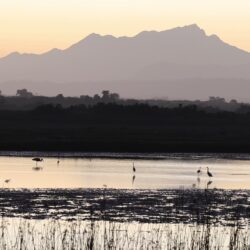
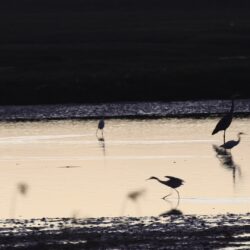
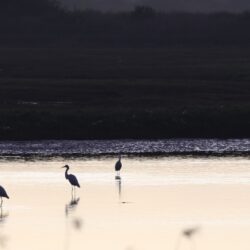
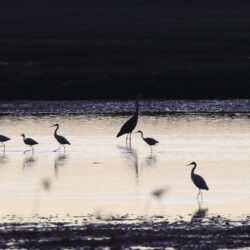
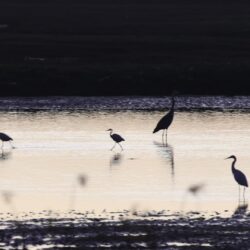
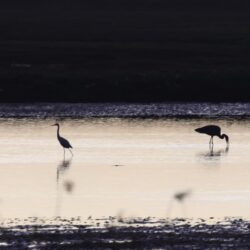
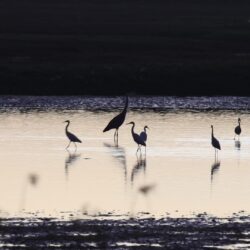
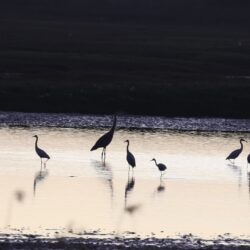
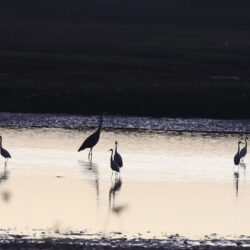
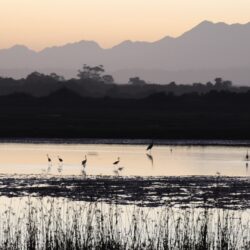
Each evening, beautiful sunsets lit up the recovering skies. The lakes, so violent days earlier, had become calm and mysterious. In the still waters, herons and other birds gathered in impressive numbers, feasting on small fish and seahorses tangled in the water grass. The sheer force of the water flowing from the lakes into the sea had been too much for little Knysna seahorses and needlefish, and this sudden abundance of food had drawn in a variety of birdlife.
This is one of the reasons I always try to get out as soon as possible after extreme storms. Harsh weather often creates extraordinary photographic and birding opportunities. The disruption of habitats can bring unexpected species into view, while the temporary concentration of food attracts birds that might otherwise remain scattered or unseen. These brief windows reveal nature in a raw, unfiltered state, destructive, yes, but also dynamic and strangely beautiful.
It was in this setting that I managed to capture a short video of herons on the Sedgefield Lagoon just before sunset. The scene was unforgettable: soft evening light, quiet water, and birds taking full advantage of the changed landscape after days of turmoil.
I hope you enjoy the video, not only as a birding moment, but also as a reminder of how quickly nature can shift from drought to flood, from destruction to renewal, and how birds are often among the first to show us that life continues.
Birding on the Garden Route (Book Here)