Night Heron Nursery: A Sedgefield Story
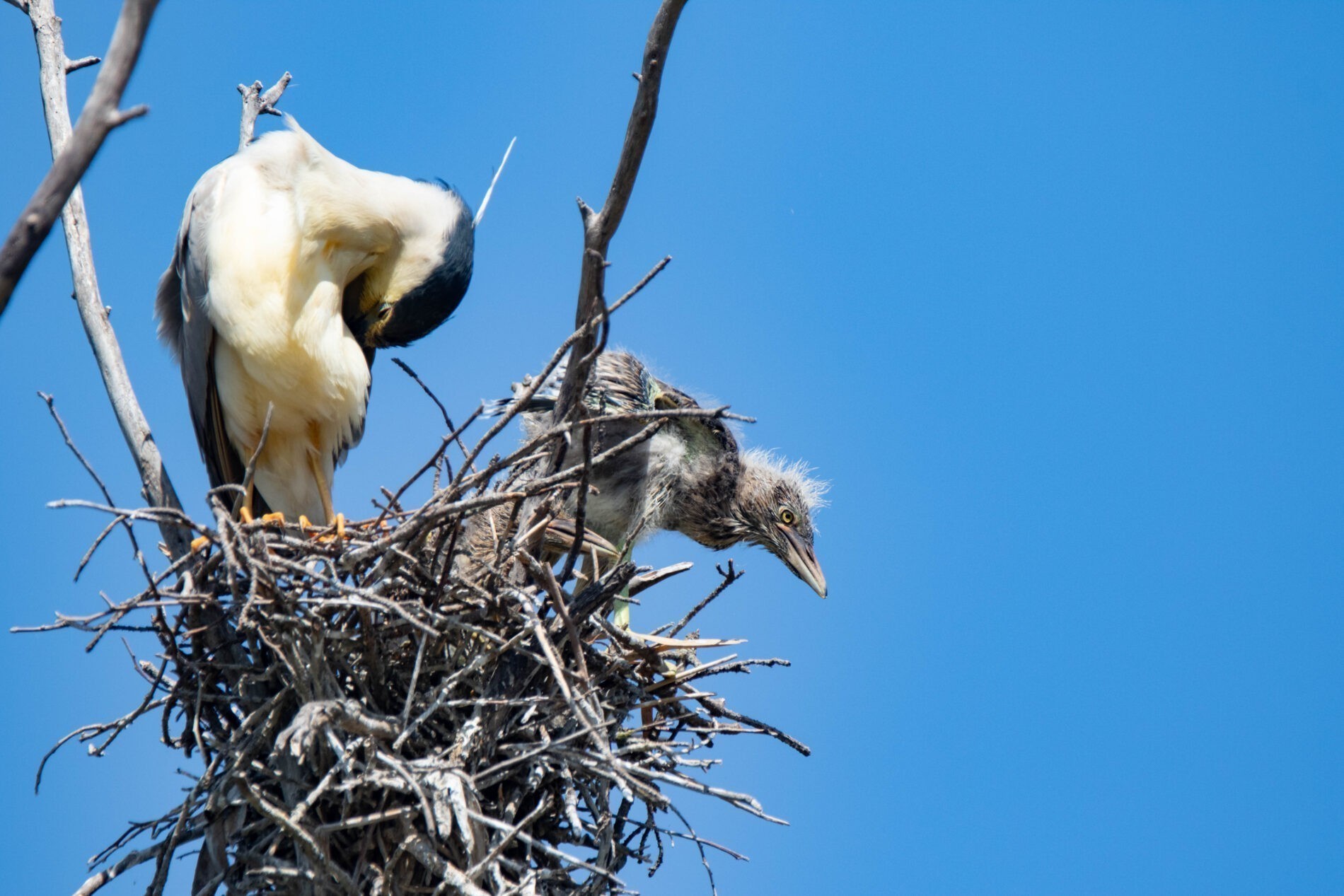
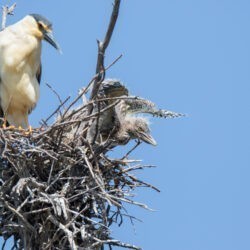
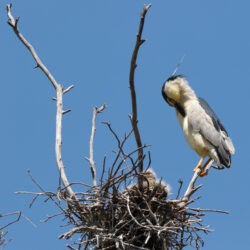
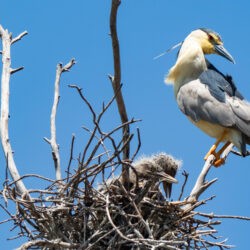
For several seasons, I’ve had the incredible privilege of observing a Black-crowned Night-Heron colony right here in Sedgefield. It’s been a real wildlife spectacle! What started as just a handful of nests has exploded into a thriving community, peaking at over 13 nests in the 2023 season. Seeing these birds raise their young has been an absolute highlight.
The night-herons are clearly doing something right. They managed a remarkable three broods in 2023, a testament to their adaptability and the richness of the local environment. These birds build their nests high – 7 to 9 meters up – on open platforms. It always amazes me how they manage to keep their balance, especially with rapidly growing chicks jostling for space. Those little ones have a surprisingly strong grip on the surrounding branches, which is vital for their survival.
One of the most fascinating aspects has been witnessing the feeding process. I even managed to capture a video of the adults regurgitating fish for their chicks. The size of the fish compared to the chicks is astounding! It really showcases the parents’ dedication to providing for their offspring. The chicks themselves are… well, let’s just say they have a certain “prehistoric” charm. With their large heads and beaks, they’re not exactly the cutest babies, but those features are perfectly designed for receiving those regurgitated meals.
Unfortunately, I missed much of the 2024 season’s action. And when I did check back in on the heronry, I discovered a dramatic change: the Little Egrets had moved in! They’d been harassing the night-herons the previous year, and it seems they’ve now claimed the nesting sites as their own. This kind of interspecies competition is a common occurrence in the bird world, but it’s still a bit disheartening to see. I’m really hoping the night-herons haven’t been permanently displaced and will return to reclaim their territory next season.
Adding another layer of intrigue is the presence of African Harrier-Hawks (Gymnogenes). These raptors are a force to be reckoned with and can pose a serious threat to eggs and young birds. While the night-herons were fortunate enough to avoid their attention in 2023, their presence always adds an element of suspense to the breeding season.
I’m already making plans to document the night-herons more thoroughly next year. I’ll be keeping a detailed log of all the key events – arrival, nest building, egg laying, hatching, fledging, and any interactions with other species. I’m also hoping to improve my photography and videography skills to capture even more of their fascinating behavior. These night-herons are a real treasure, and it’s a privilege to witness their lives unfold.
View our other pictures