
The Dust Remembers

The dust of Kruger rose like a whispered prayer beneath the first light. I came to the bush not for answers but for questions – the kind that only the bush can ask of you when you are still enough to listen.
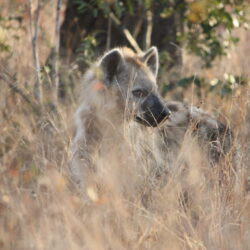
My first morning began with laughter or what sounded like it. Three hyenas materialised from the amber grass like ghosts refusing to stay invisible. The youngest one stared at me through a curtain of dry stems, its eyes already ancient, already knowing. Its elders moved with a confidence that unnerved me: unhurried, calculated, perfectly at ease in a world where nothing is guaranteed. People call them scavengers, but I saw architects of patience.
Down at the river near Ngwenya, the water lay still as glass until it shattered. A crocodile , a relic from some deeper chapter of geological time , surfaced with a barbel catfish clamped in its jaws. There was no struggle left. The river simply closed over the scene, smoothing away the evidence like a secret kept for millennia.
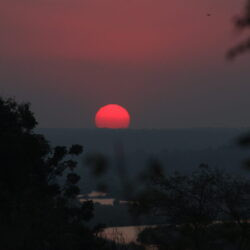
That evening, the sky over the southern reaches of Kruger performed its nightly masterpiece. The sunset bled from copper to violet in a slow exhale that silenced even the cicadas. I pulled over and sat on the bonnet of the Hilux, watching thorn tree silhouettes etch themselves into the dying light. There are sunsets, and then there are Kruger sunsets, the kind that recalibrate your understanding of colour.
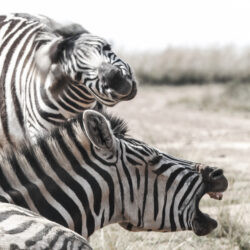
Rietvlei offered a different theatre. Zebras, those black-and-white anarchists of the plains, had taken over the road. One dropped to the gravel and rolled with an ecstasy that made me envious. Another threw its head back, lips peeled, teeth exposed in what I can only describe as a full-bellied laugh. If joy has a shape, it is a zebra rolling in red dust.
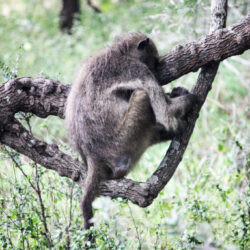
Back in Kruger, a baboon had found the perfect branch,one curved like a hammock, and surrendered to sleep with the bonelessness of a creature unburdened by deadlines. Its arm dangled, its mouth hung open, and I thought: this is what it looks like to truly let go.
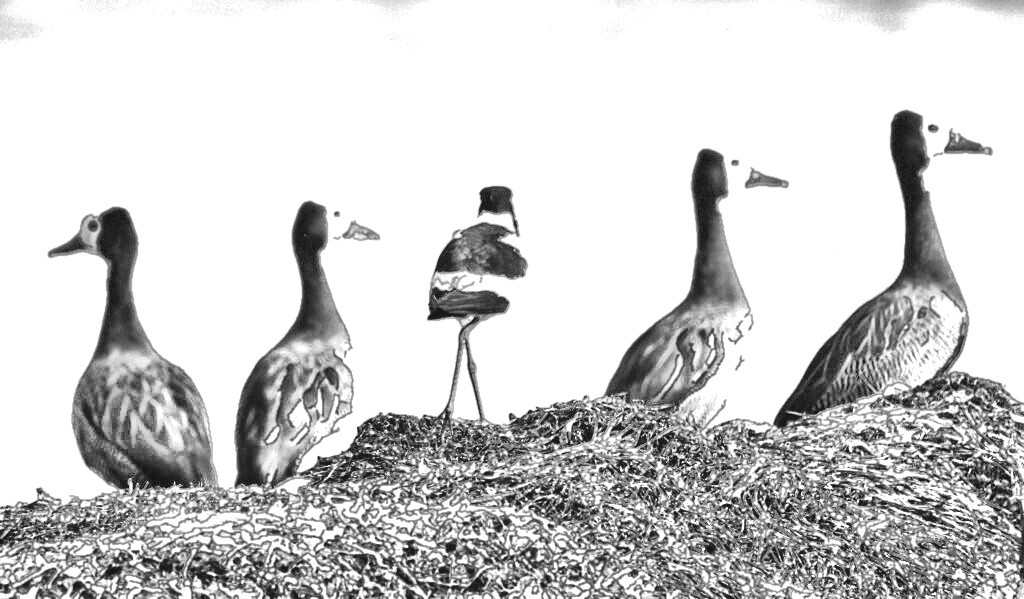
Near a waterhole I spotted a blacksmith lapwing standing in the centre of a White-faced Whistling Duck meeting. Not anxious. Not searching. Just there, a small, sharp sentinel content in its mind. “The odd one,” I wrote in my notebook. Later I wondered whether I was writing about the bird or about myself.
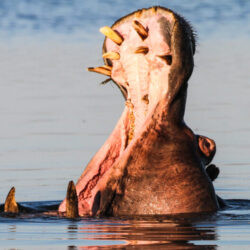
Rust de Winter dam held its own drama. A hippopotamus heaved itself from the brown water, jaws agape, tusks catching the midday sun. The yawn, if that is what it was, carried the authority of a cannon shot. Moments later it crashed back under the surface, sending a wall of water skyward. In the silence that followed, even the fish eagles seemed impressed.
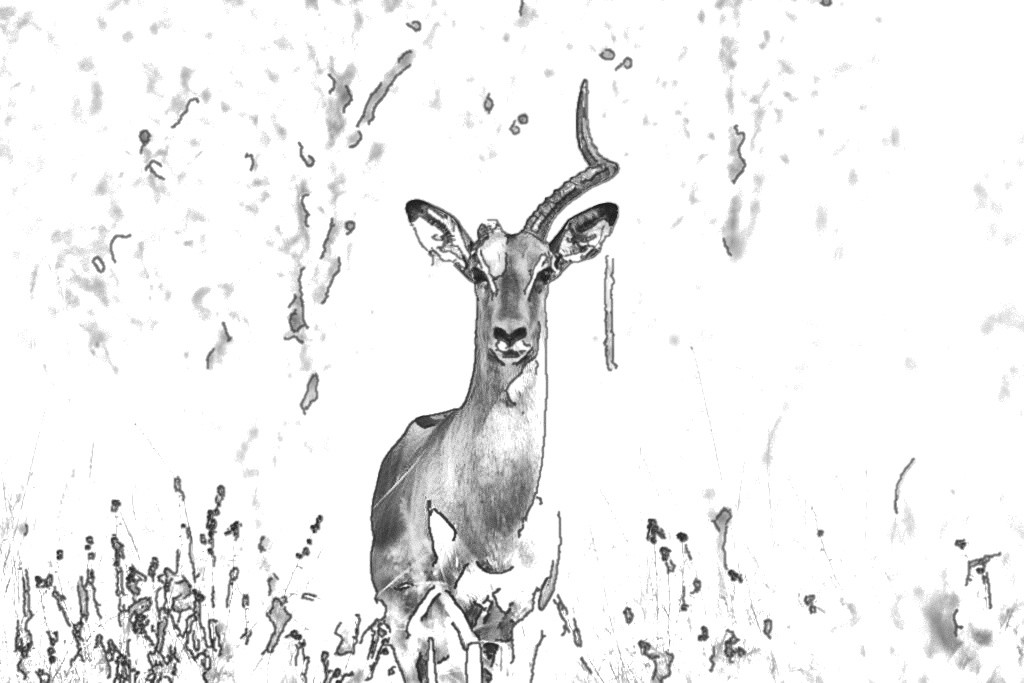
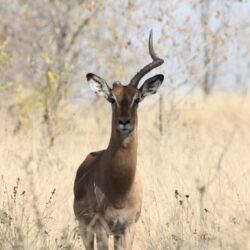
An impala ram caught my eye because something was missing. One lyre-shaped horn had been snapped clean, a souvenir from the rut, that bruising season of testosterone and territory. He grazed calmly, unbothered by the asymmetry. Scars are just stories the body refuses to forget.
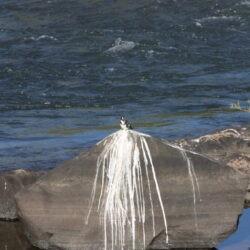
At dawn, on the Sabi River, I joined a birder whosebinoculars rarely left his eyes. He did not talk much; he listened. When a Pied Kingfisher moved, he nodded and said, “Rock painting extreme.” I did not understand at first, but then I watched the concentric ripples radiate outward like brushstrokes, and I saw what he meant: the bird was painting the rock after every good meal.
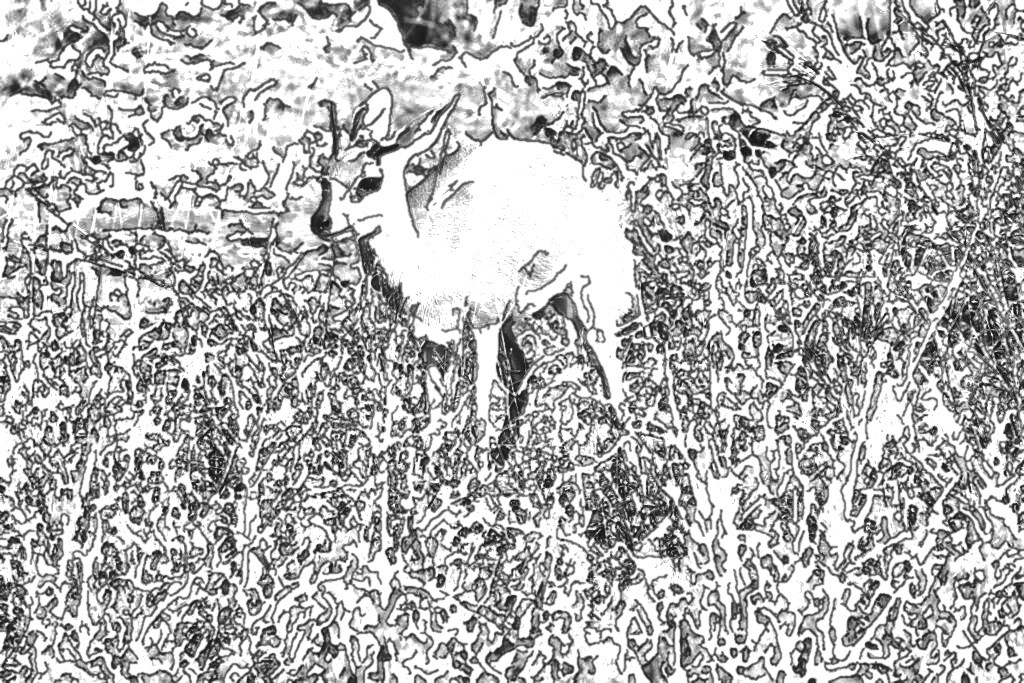
The smallest encounter was the most haunting. Deep in the undergrowth, a Suni ram, no bigger than a medium dog , stood frozen, its russet coat dissolving into the dappled light. It was blending in to survive, the oldest trick in the book, and it was executed so perfectly that when I blinked it was gone, leaving only the impression of two dark, watchful eyes.
Late afternoon brought the elephants. A familygroup, wet from a river crossing, had begun the ritual of dusting, scooping red earth with their trunks and showering it across their broad, grey backs. The dust caught the slanting light and turned to gold. For a moment, they were not elephants at all but something older, something elemental, the earth itself rising up and walking.
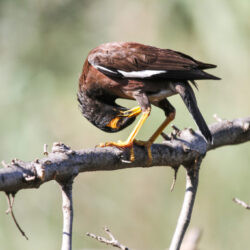
My last sketch that day was of a Common Mynah perched on a fence post, head cocked, eyes sharp. “Outcast or a blessing?” my companion asked. The bird is loathed by many, an invasive, an outcast. But I watched it praying while preening, that bordered on admirable. Perhaps belonging is not about origin. Perhaps it is about the tenacity to remain.
I closed my notebook as the Southern Cross appeared above the fever trees. The bush had given me no answers, only sharper questions, about wildness and patience, laughter and loss, belonging and letting go. And a collection of moments that will live, in pencil and in memory, long after the dust has settled.
The Sketch Gallery
Each photograph converted to pencil sketch, a synapsis of places and moments of thought.
A young hyena peers through the tall grass of Kruger, eyes sharp with the cunning of a survivor born into the African wild.
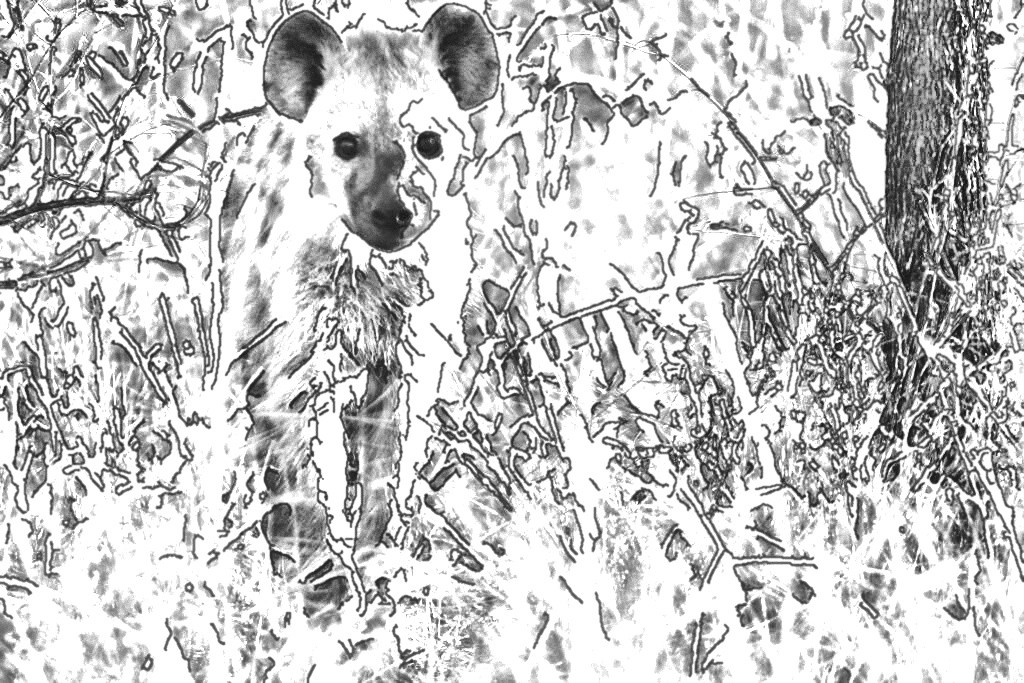
Hyena – In the dense Kruger bush
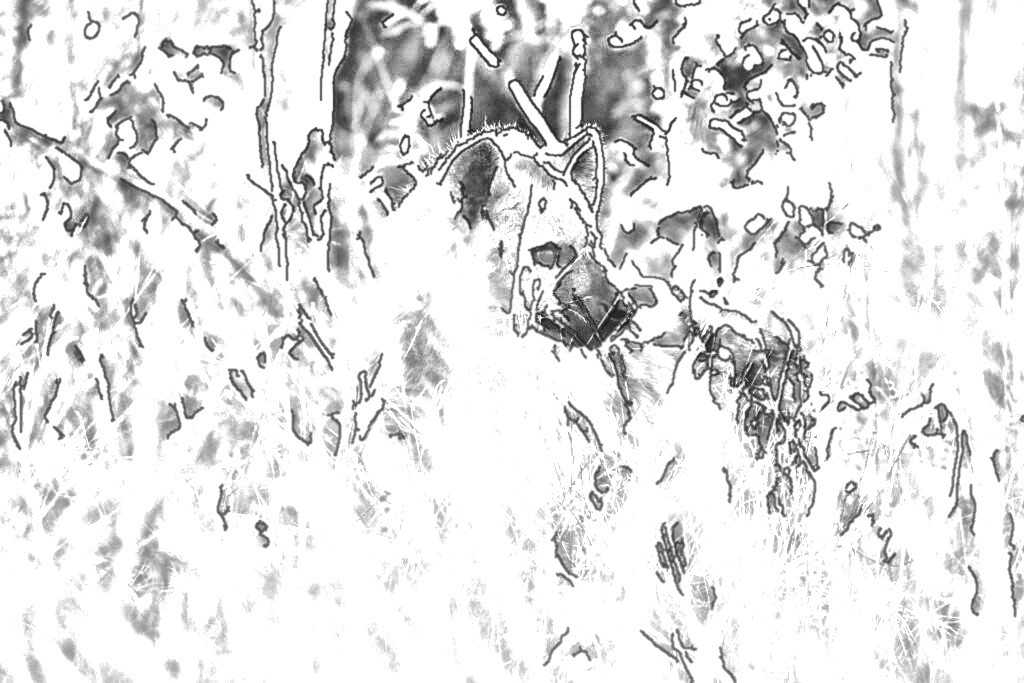
Hyena – Camouflage
Hide and seek! Neither villain nor hero, just a creature shaped by millions of years of savanna dust and moonlit hunts.

Crocodile with a Big Catfish
An ancient predator locks its jaws on a barbel catfish. In the murky rivers near Ngwenya, time moves at the speed of a crocodile’s patience as the cormorants watch from the island.
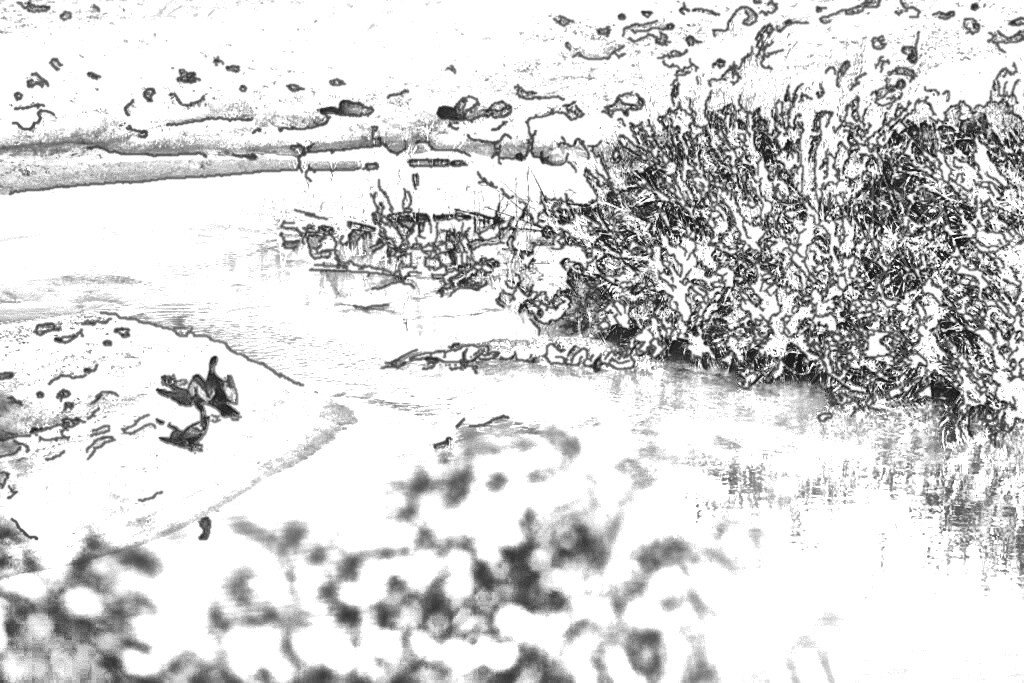
Sunset in the South of Kruger Park
The sun dips below the thorn trees, painting the sky in fire and gold. For a moment the bush holds its breath, balanced between day and
night.

Zebras Rolling in the Road
At Rietvlei near Pretoria, zebras drop to the dusty road and roll with abandon, a simple, joyful act of being alive.

Zebras Laughing
Teeth bared and heads thrown back, these zebras seem to share a joke only the grasslands understand.

A Tired Baboon Takes a Nap
Draped over a branch like a discarded coat, this baboon surrenders to sleep. Even in the wild, everyone needs a moment of peace.
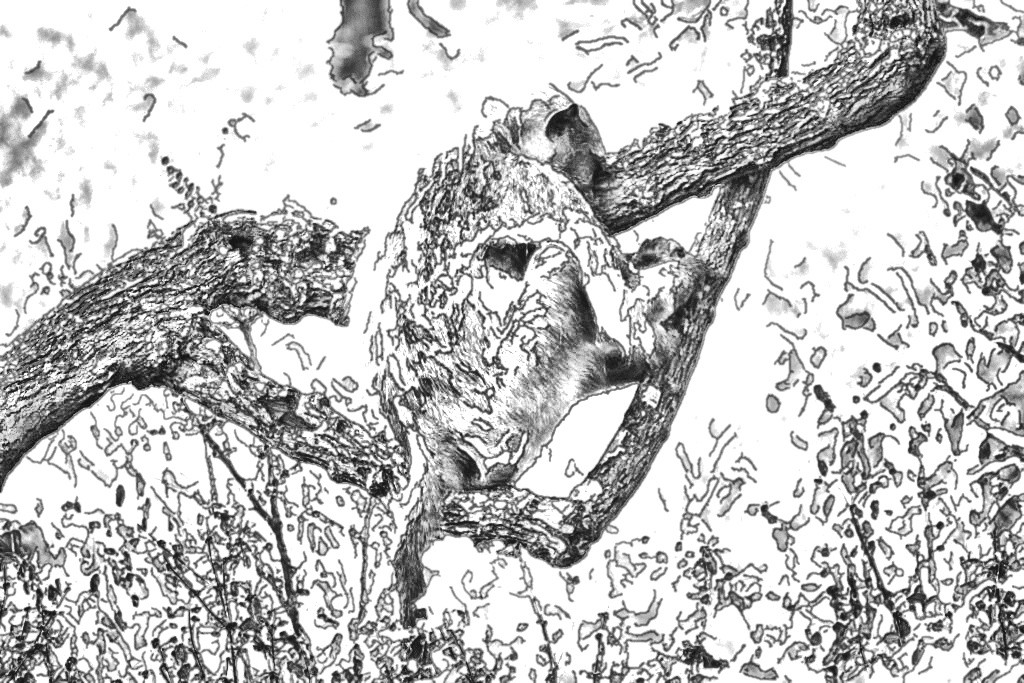
The Odd One
A blacksmith lapwing stands in the midst of Wite-faced Whisling Ducks, apart, singular, alert, its own quiet sentinel. Not every creature needs a crowd.
Rising from the waters of Rust de Winter dam, a hippo opens its massive jaws in an unmistakable declaration of territory and temper.

Water erupts as the hippo crashes back beneath the surface. In the quiet dam, this creature is thunder.

One horn snapped in battle, this impala carriesthe visible cost of the rut. Survival in Kruger always leaves its mark.
Birding with BIRDWATCHER
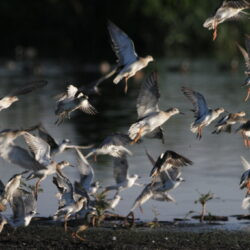
Grey-hooded Gulls fill the moment with their presence.

Blending In to Survive
A tiny Suni ram dissolves into the dappled undergrowth of Kruger. Invisibility is its armour, stillness its strategy.
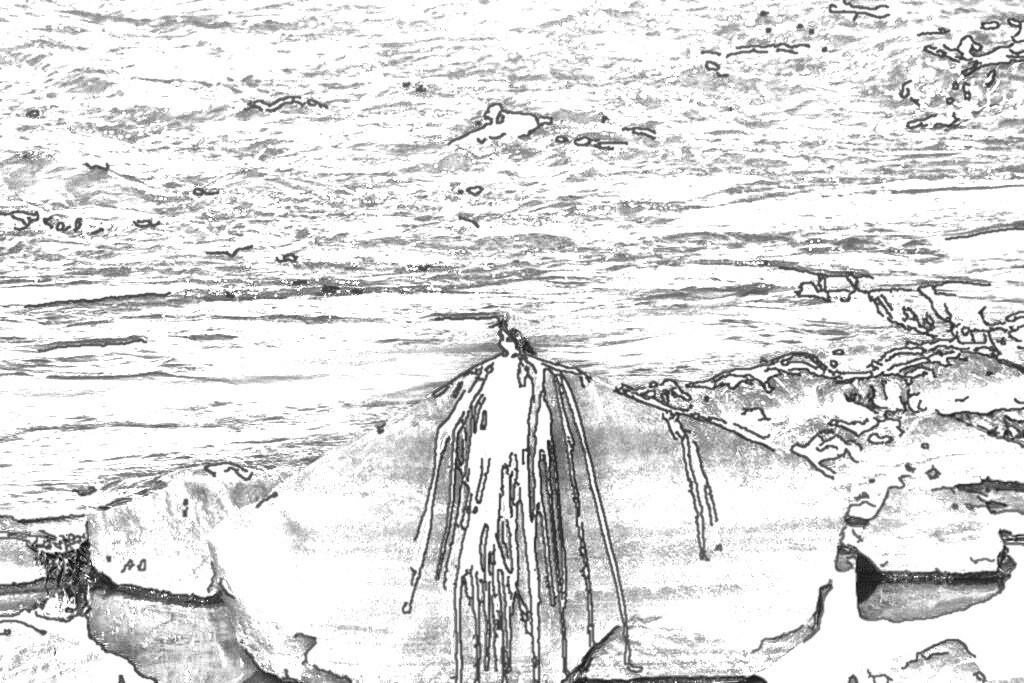
h’s own powder room. After the cool of the water, the warmth of the earth.

The Common Mynah divides opinion, invasive pest or resilient survivor? It thrives where others fail, asking us to rethink what belongs.
Gallery of original photos:








Book a birding trip with Birdwatcher (Ben Fouche)