“Pop!” Moments: The Unexpected Success Story at Van Kervel Dam
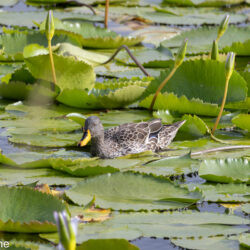
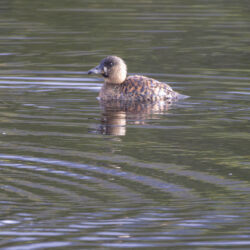
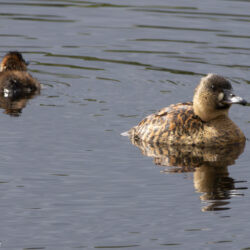
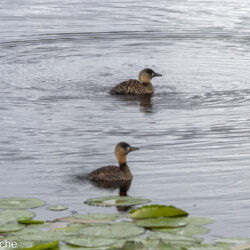
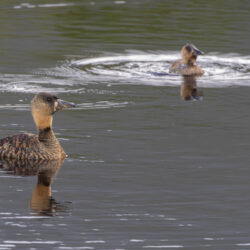
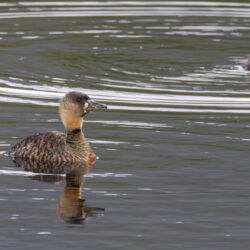
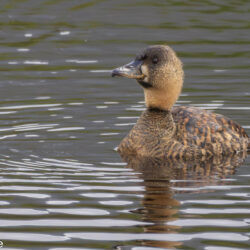
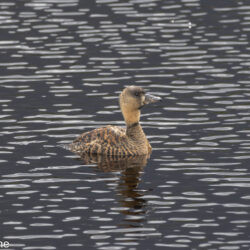
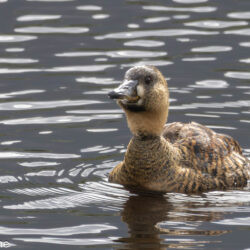
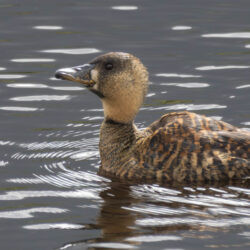
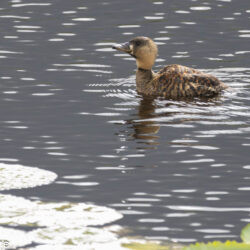
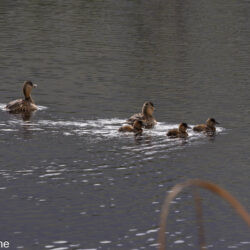
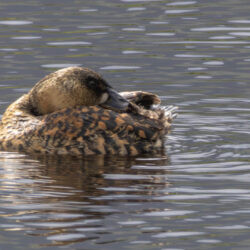
On January 23, 2026, the Van Kervel Dam at the George Botanical Gardens delivered a birding surprise I won’t forget: five White-backed Ducks suddenly appeared, settling into the water as if they’d always been there.
It wasn’t just luck. Over the last few years, a shift has been happening in the gardens. You can feel a healthier, wilder wetland vibe taking hold. Huge credit goes to curator Christiaan Viljoen, his planning of the new dam, particularly the establishment of lush water lilies, has created a perfect sanctuary.
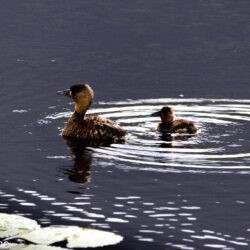
I was thrilled just to see the adults. I never expected that by April, we’d be watching three tiny ducklings joining the crew.
The “Pop” Factor
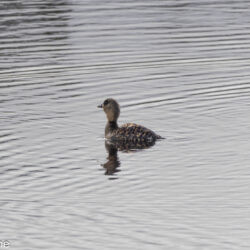
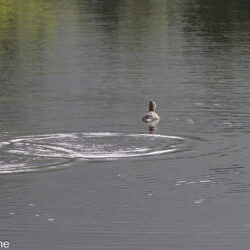
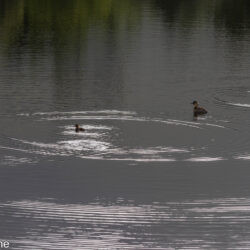
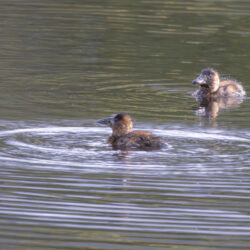
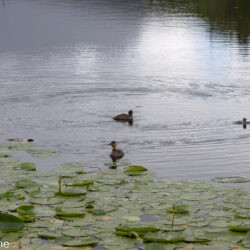
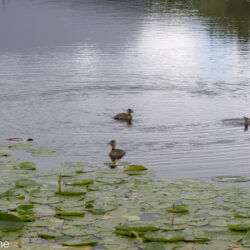
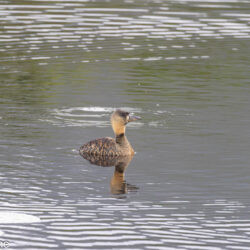
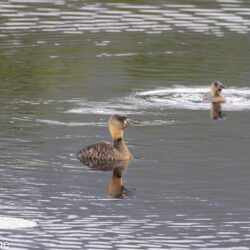
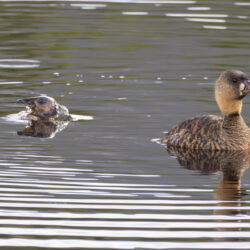
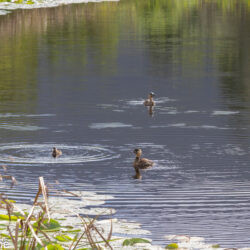
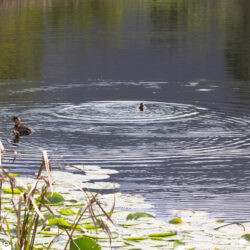
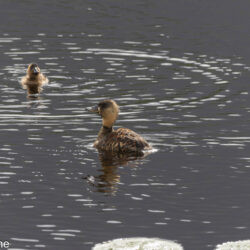
During a return visit in late April, I managed to get some great photos and video. At first, it was just two adults cruising calmly near the dam wall.
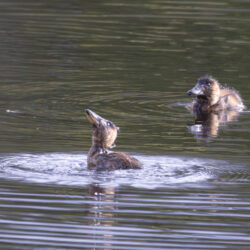
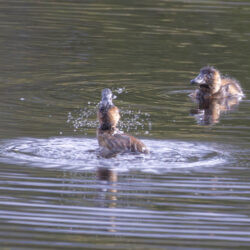
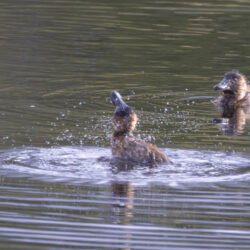
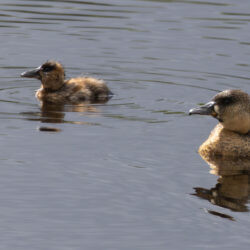
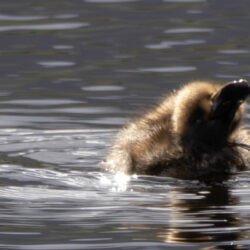
Then “pop!” a tiny, comical duckling burst to the surface like a cork. Two seconds later, another “pop!”… then a third!
These little guys are pure energy. They surface for just a breath before diving again, turning the dam into their own private underwater playground.
Meet the White-backed Duck
The White-backed Duck (Thalassornis leuconotus) isn’t your average park duck. They are shy, specialist divers. Instead of “dabbling” on the surface, they spend their lives underwater, foraging for seeds and aquatic plants.
Typical Habits:
Specialist Divers: They dive repeatedly and surface only briefly, exactly the “popping” behaviour I saw.
Plant Lovers: They thrive in calm, lily-rich water where they can eat and hide.
Low Profile: They usually travel in pairs or small groups and can be surprisingly hard to spot when tucked into the greenery.
The Survival Challenge: Predators & Competitors
While the ducklings are a celebration, they face a tough road. In an urban wetland, the balance is fragile.
The Predators:
Ducklings are high-protein snacks for birds of prey, large fish, and even terrestrial hunters like mongooses patrolling the banks.
The Hidden Competition:
It’s not just predators they worry about; it’s the food. White-backed Ducks rely heavily on water lily seeds, but they aren’t the only ones at the buffet.
Certain small fish, like Tilapia, are notorious for grazing on aquatic vegetation. Tilapia are often used for “plant control” because they can be aggressive eaters of algae and soft plants. In fact, pond keepers often report Tilapia damaging young water lilies or eating the seeds before the ducks can get to them.
If the fish graze too heavily, the ducks lose their food source and the dense cover they need to hide from those sharp-eyed hawks.
A Balancing Act
Seeing these ducks thrive is more than just a lucky sighting, it’s a signal. It tells us that the habitat Christiaan and the team are building is working.
That April morning, watching those three little heads “pop” up in quick succession, was a reminder of why conservation matters. When we get the habitat right, nature moves back in, and it’s a joy to watch.
George is on the Garden Route of the Western Cape, South Africa. It is also an excellent birding route that includes Mossel Bay, George, Wilderness, Sedgefield, Knysna, Plettenberg Bay, and Nature’s Valley.
Remember to book a Guided Birding Trip with BIRDWATCHER for your next Garden Route visit in the Western Cape of South Africa.